
| Cause | Remedy |
|---|---|
| Water-to-powder ratio above the recommended range | Reduce the water proportion to the range specified for your investment. |
| Insufficient mixing time | Check that the full mixing stage is completed before investing. |
| Metal or flask temperature too high | Reduce the metal and/or flask temperature within the requirements of the alloy and investment. |
| Insufficient curing after the investment has set | Leave the flask undisturbed before starting burnout. |
| Available working time exceeded | Complete the investing cycle within the product’s specified working time. |
| Mold heated too quickly | Slow the temperature rise and follow the investment’s recommended burnout program. |
| Expired or improperly stored investment | Use fresh investment within its recommended shelf life. Store the powder in a cool, dry area. |
CASTING SUPPORT / TROUBLESHOOTING
Find the cause.
Refine the process.
Explore common casting defects, understand possible causes and work through the checks that matter to your process.
Explore the troubleshooting guide09 Casting defects36 Practical checks
MATERIAL / DETAIL / PERFORMANCE
A closer look. A more informed next step.
THE TROUBLESHOOTING GUIDE
What are you seeing?
Start with the symptom.
Work through the possible causes.
Follow the instructions for your PRESTIGE product. Mixing ratios, working times and burnout temperatures vary by product, alloy and equipment. Explore our products ↗
No matching defects.
Try a term such as “vacuum”, “temperature” or “porosity”, or clear your filters.
| Cause | Remedy |
|---|---|
| Water proportion too low | Adjust the water-to-powder ratio for the investment and mixing method. |
| Insufficient mixing time | Allow enough mixing time to prepare the investment correctly. |
| Investing cycle too long | Follow the product instructions and finish within the available working time. |
| Cause | Remedy |
|---|---|
| Metal or flask temperature too low | Increase the metal and/or flask temperature as appropriate for the alloy and investment. |
| Flask temperature remains too low | Review the furnace temperature and adjust within the product’s permitted range to improve filling. |
| Insufficient centrifugal force | For centrifugal casting, adjust the machine to increase the casting force in accordance with its operating instructions. |
| Insufficient vacuum or a leak in the system | Check the vacuum level and repair any leaks in the vacuum system. |
| Incomplete burnout or carbon remaining in the mold cavity | Review the hold time at the permitted peak burnout temperature and allow sufficient time for carbon removal. |
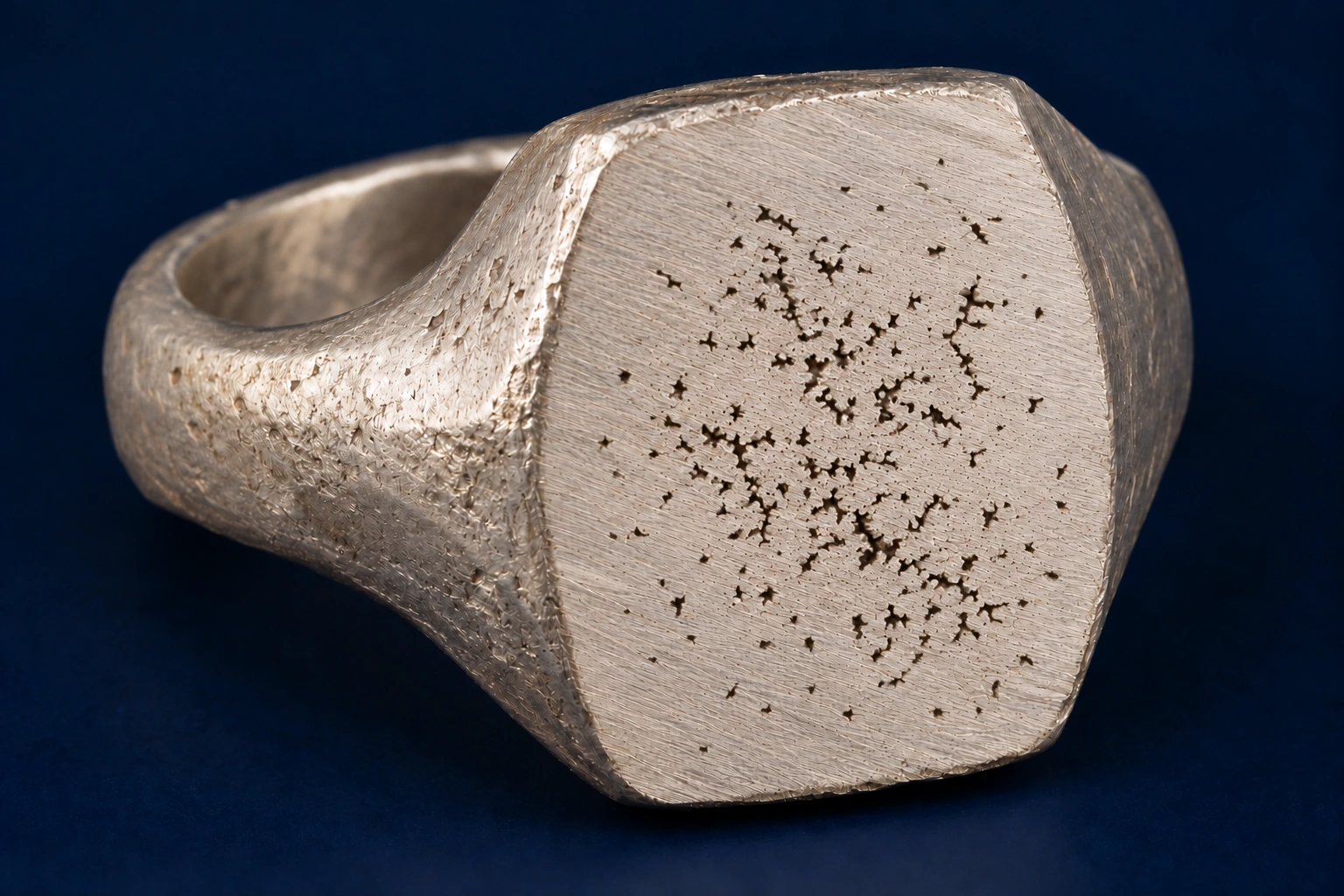
| Cause | Remedy |
|---|---|
| Patterns too close to the pour button | Leave more space between the bottom row of patterns and the pour button. |
| Flask temperature too high | Reduce the flask temperature within the appropriate casting range. |
| Incorrect sprue position | Connect the sprue to a thicker section of the design. |
| Sprue or gate too small | Use a larger gate and connect to the heaviest section of the design. |
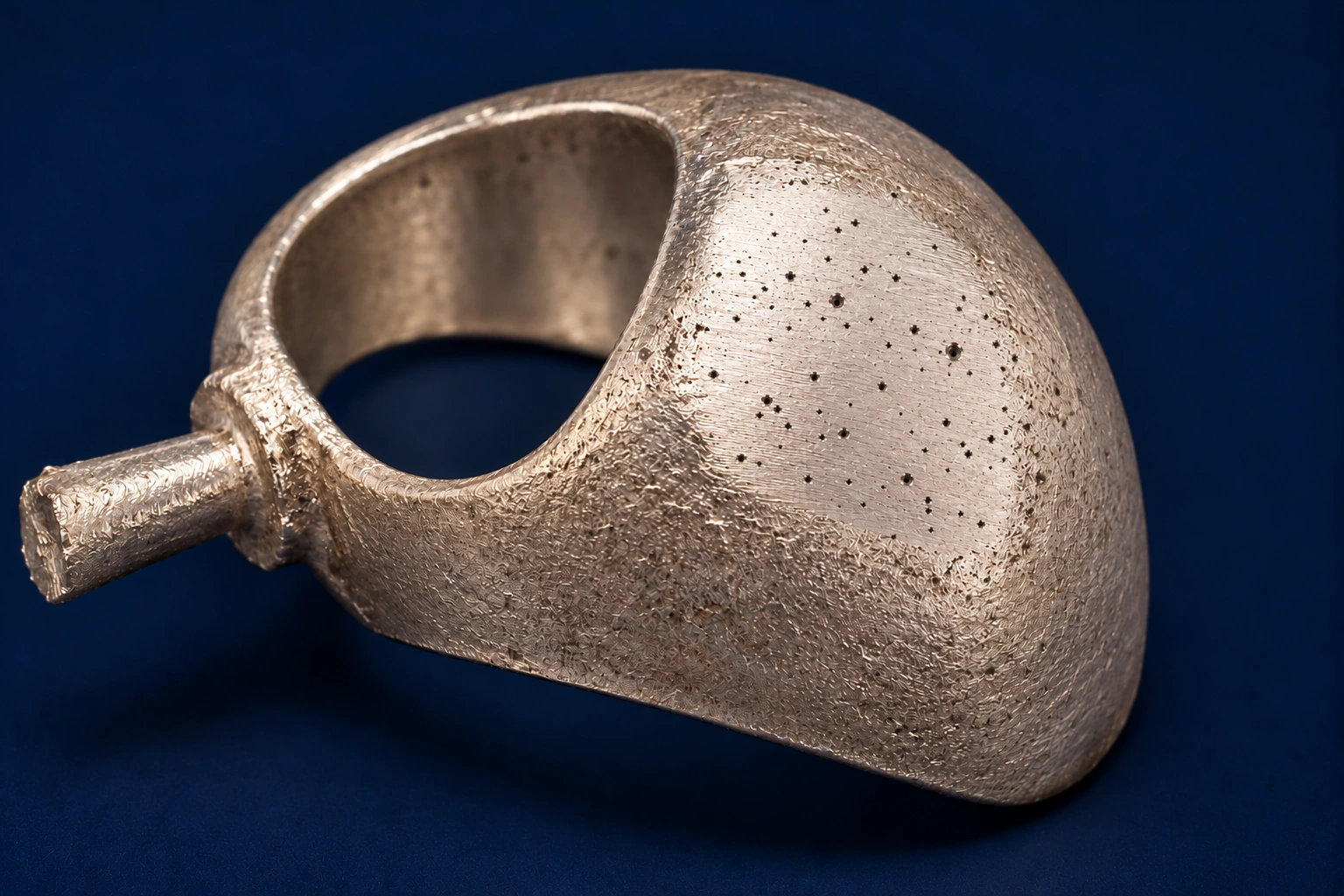
| Cause | Remedy |
|---|---|
| Contaminated metal | Remove investment and other contamination from the metal before reuse. |
| Flask temperature too high | Reduce the flask temperature within the appropriate casting range. |
| Incomplete burnout | Allow a longer hold at the product’s permitted peak burnout temperature. |
| Metal reused too many times | Use fresh metal, or combine fresh metal with remelt as appropriate for the alloy. |
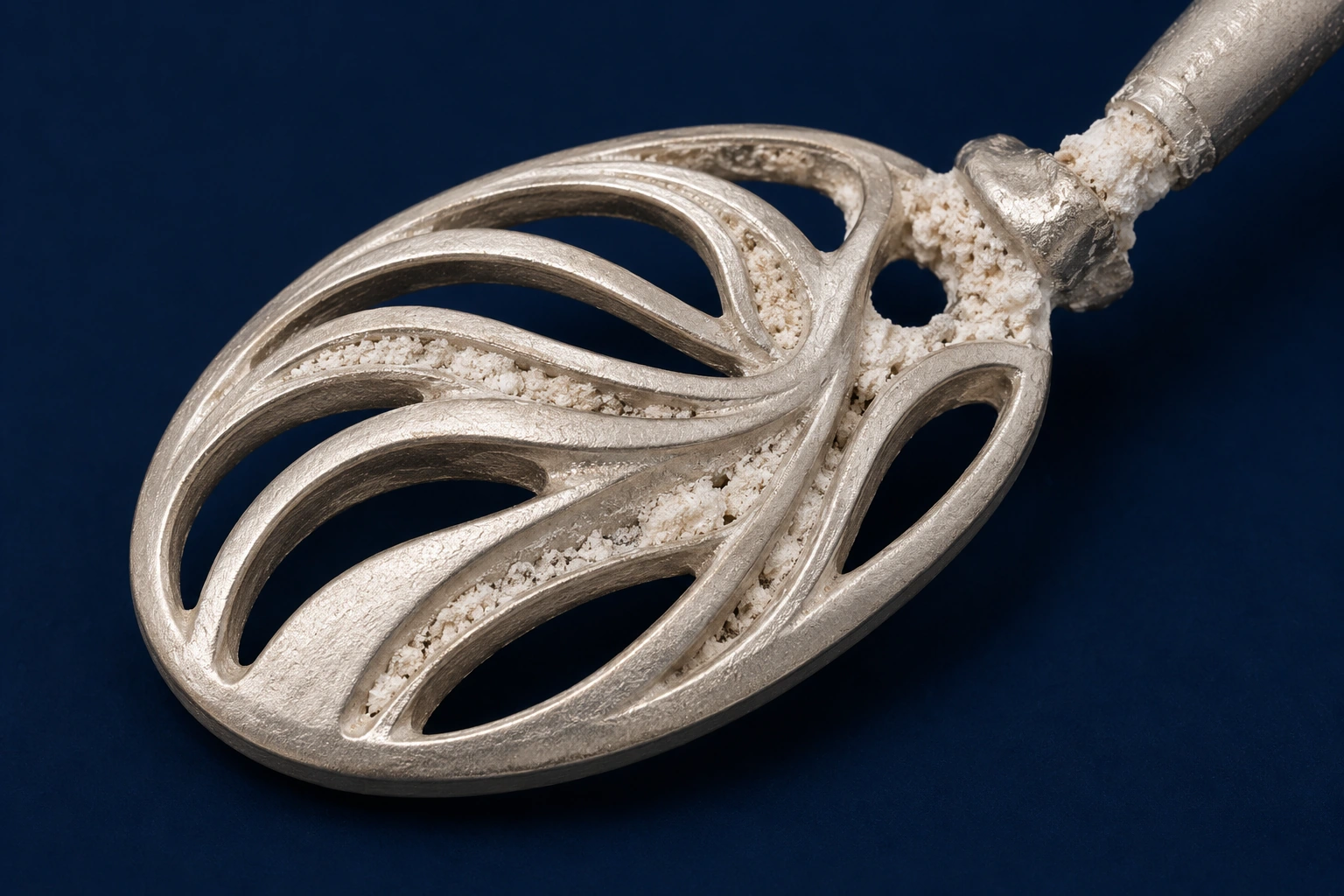
| Cause | Remedy |
|---|---|
| Metal overheated | Reduce the metal temperature to the appropriate casting range. |
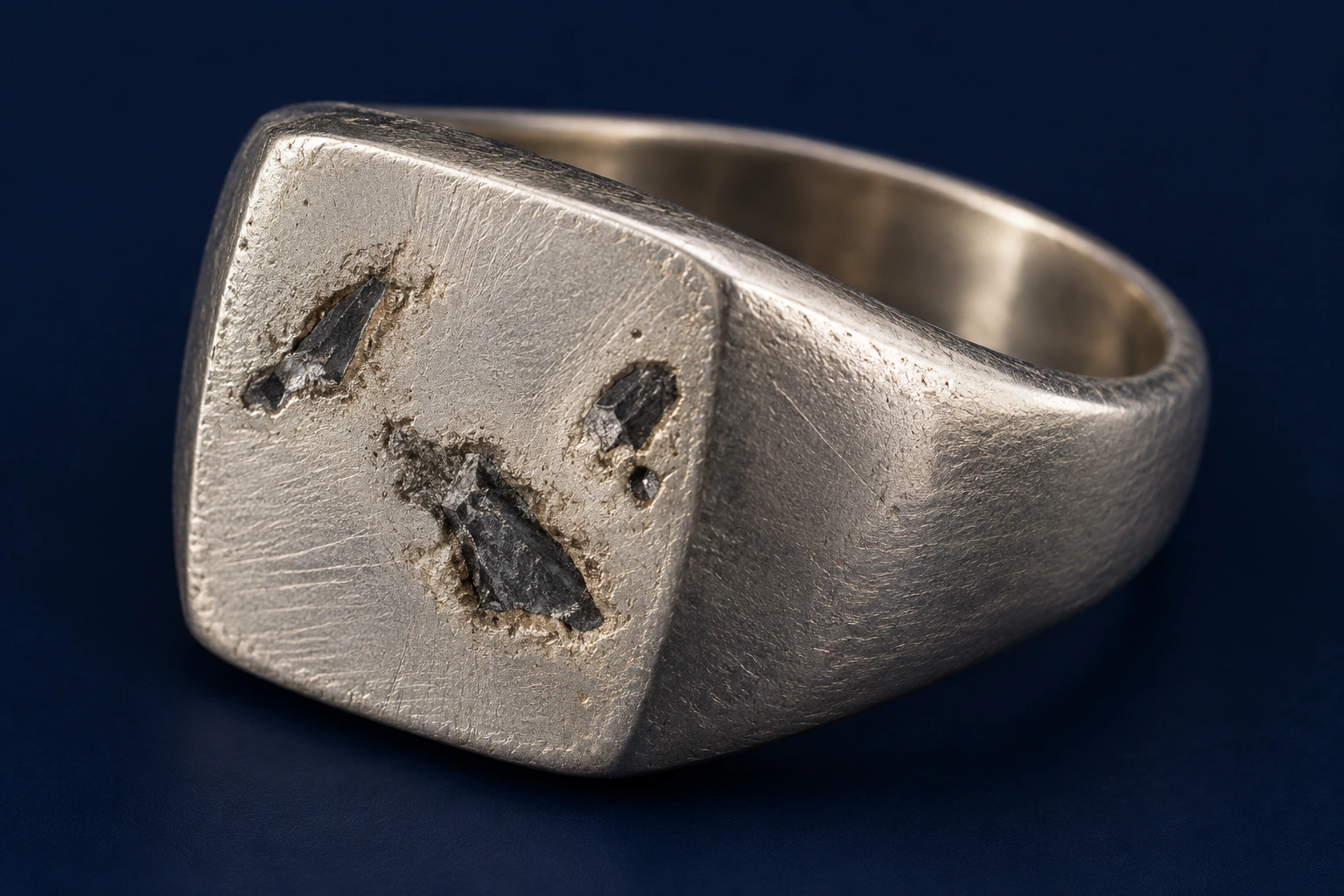
| Cause | Remedy |
|---|---|
| Deteriorated crucible or metal oxides | Replace a worn crucible and refine the metal as required. |
| Sharp mold corners breaking away | Review mold strength and modify the design to address vulnerable corners. |
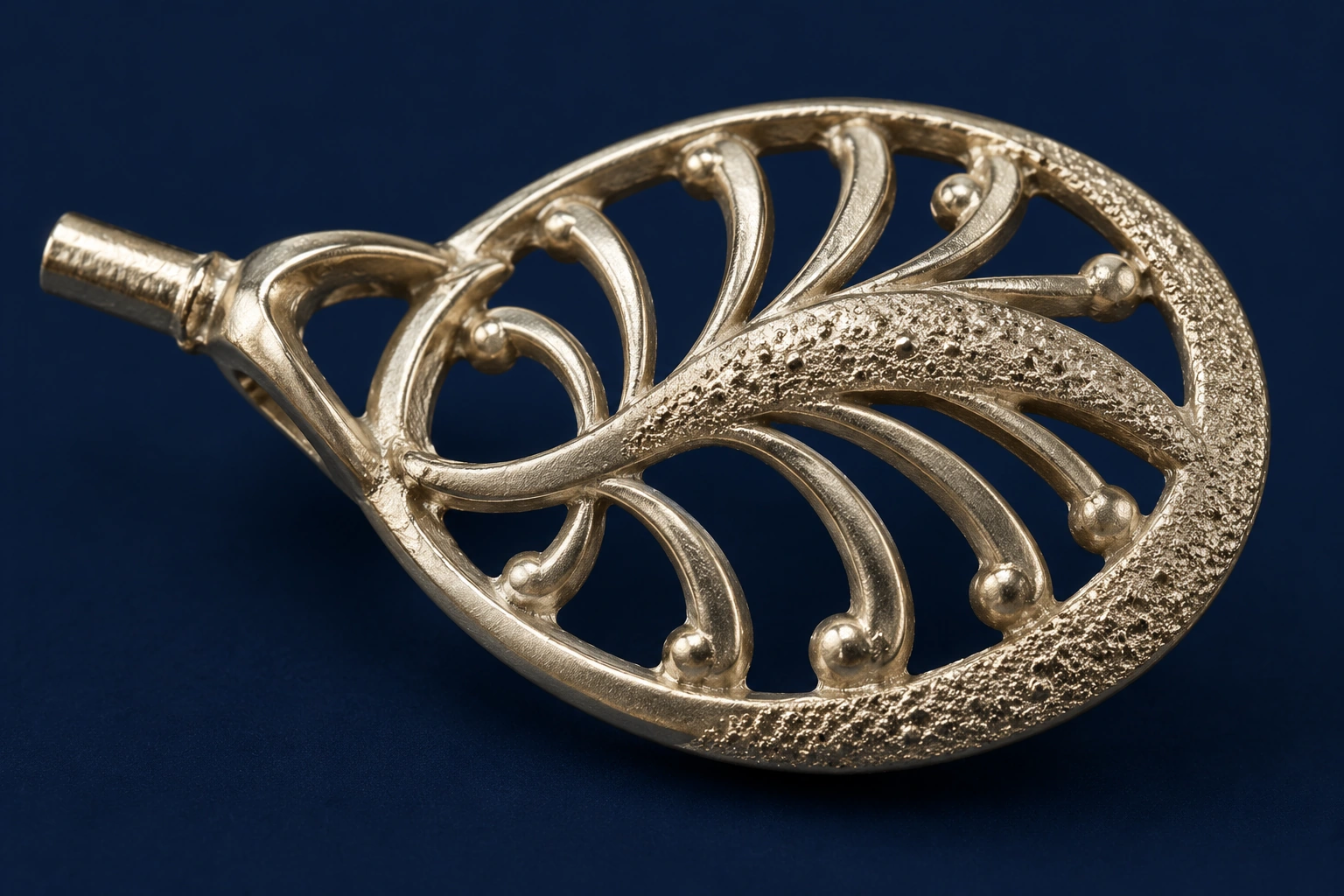
| Cause | Remedy |
|---|---|
| Too much mixing water | Keep the water-to-powder ratio within the product specification. |
| Rough master model | Polish the master model and remake the rubber mold. |
| Excess silicone or talc release agent | Clean the mold and reduce the amount of silicone or talc used. |
| Flask temperature too high | Reduce the flask temperature within the appropriate casting range. |
| Metal temperature too high | Reduce the metal temperature to the appropriate casting range. |
| Excessive steam dewaxing time | Review and reduce the time spent in steam dewaxing. |
| Insufficient curing before burnout | Allow the mold to cure before starting the burnout cycle. |
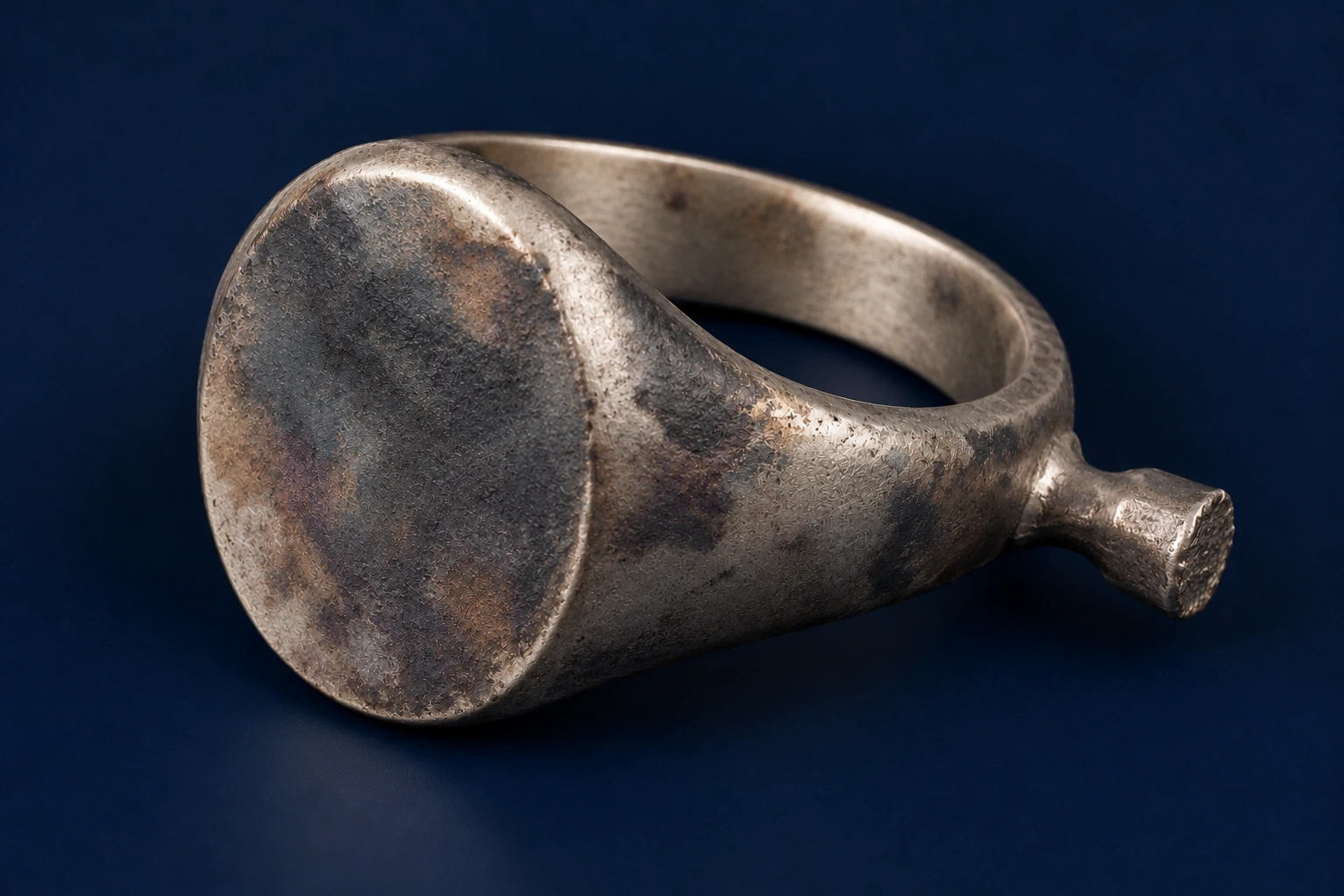
| Cause | Remedy |
|---|---|
| Peak burnout temperature exceeded | Stay within the maximum burnout temperature specified for the investment being used. |
| Spent metal or excessive reuse | Refine the metal or use fresh metal. |
| Metal overheated | Use the correct pouring temperature for the alloy and process. |
PRACTICAL SUPPORT. MATERIAL EXPERTISE.
Let’s look at
your casting together.
Share the defect and the conditions behind it. Our team can help you review the material and process.